Background
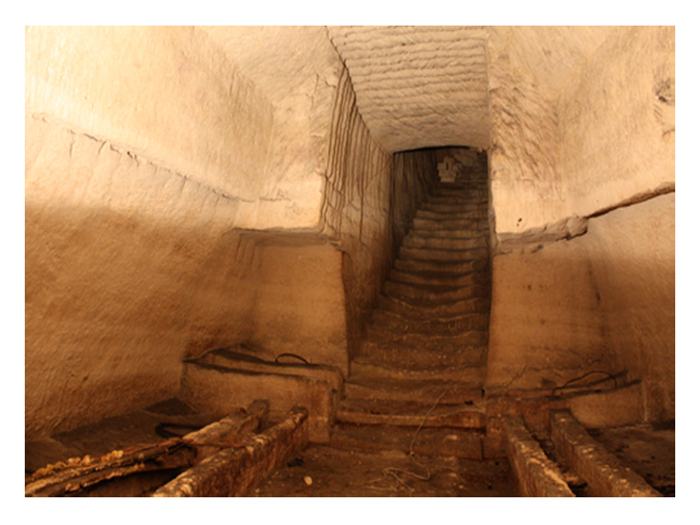
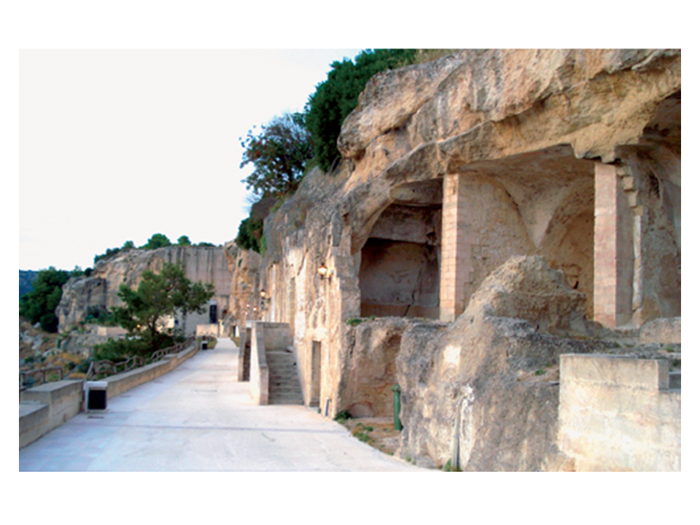
Puglia is one of the italian region with a higher density of hypogean sites of great value from the archaeological historical and artistic point of view. Many of them are in so precarious conditions that it is not possible to comprehend the precise history of the places and to define restoration interventions for their utilization and exploitation.
Purpose
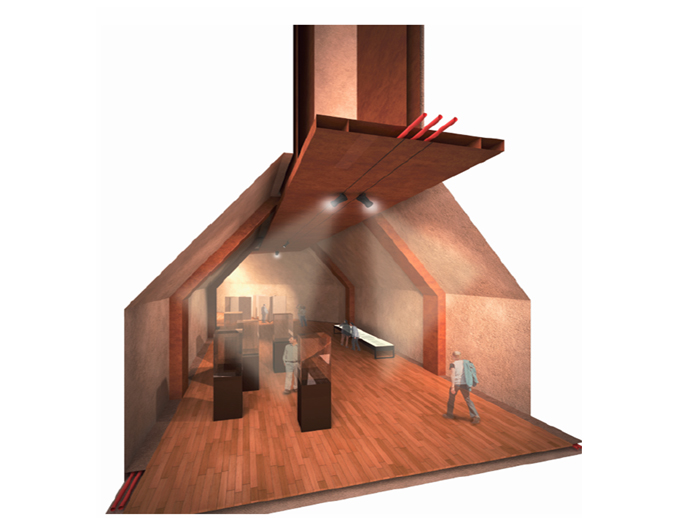
To contribute to the exploitation of the underground architectures through the analysis, presence, use and new project of the different underground typologies and to define and test design models enforceable also to “rupestrian habitat” in urban and extraurban areas.
Methods
This research takes into account the different items of the hypogean types, geology, location and restoration with a multidisciplinary and multiscale approach aiming at joining the underground areas to town planning processes. The studies have been carried out on three “Case Histories”: Canosa, Gravina di Puglia and Palagianello.