Background
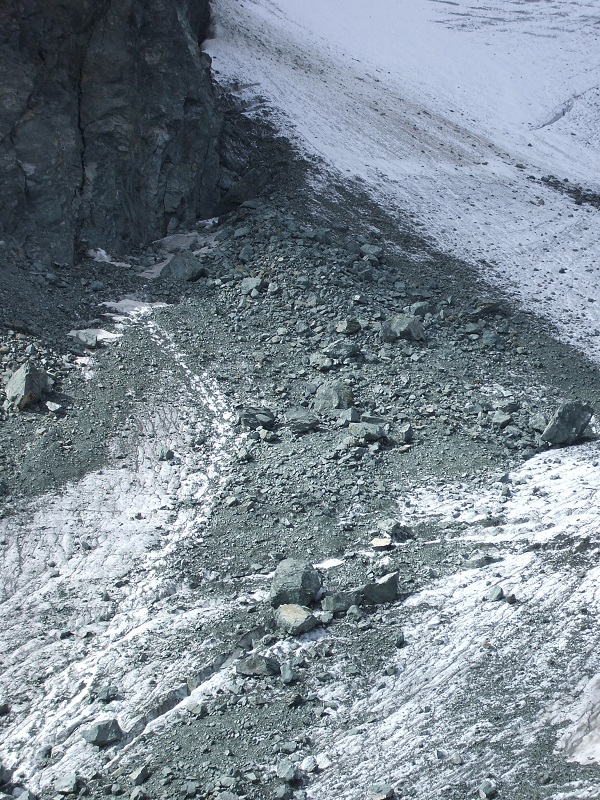
The Alpine environment, and in particular the high-altitude one, is responding quickly and with great intensity to climate change, through evidences of geomorphological, hydrological and ecological type. Mountain glacier shrinkage and related outcropping of rock walls and debris, changes of the precipitation and temperature patterns, are some of the main terrestrial indicators of climatic change.
Purpose
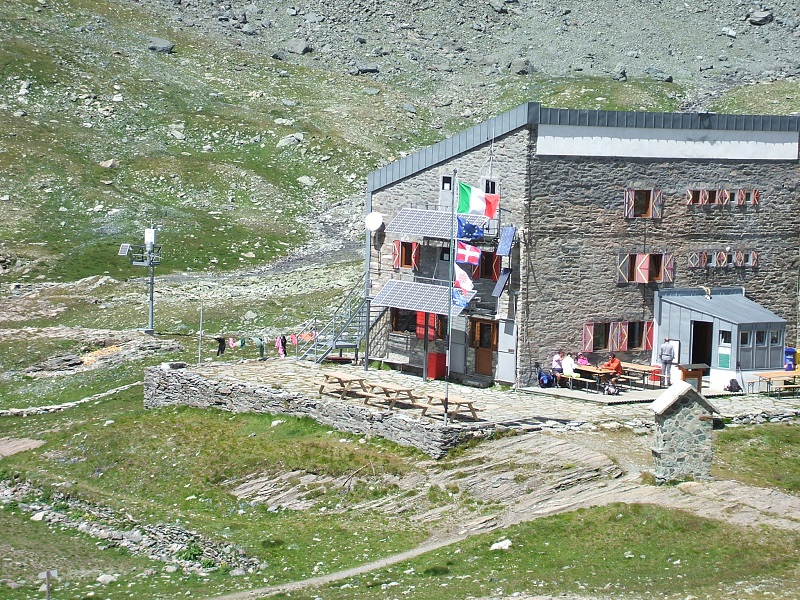
Use the Bessanese glacial basin as an open air experimental laboratory. Study the variability of the thermal conditions of different materials (air, rock, debris, soil, ice, water) that are involved in morphodynamic processes. This information will be used to deepen the knowledge on the relationship between climate change and natural instability processes that occur at high-elevation sites.
Methods
Application of the metrological traceability of measurements and application of dedicated calibration procedures. Measuring temperature by means of sensors and acquisition chains with known uncertainty of measurements. Thanks to this approach it is possible to identify with a high level of accuracy temperature variability and trends for different bodies.