Chronological database of sinkholes in Italy
Focus
When, where and why do sinkholes occur in Italy? A first attempt in evaluating the related hazard
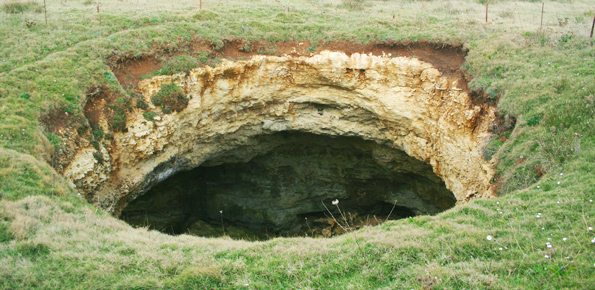
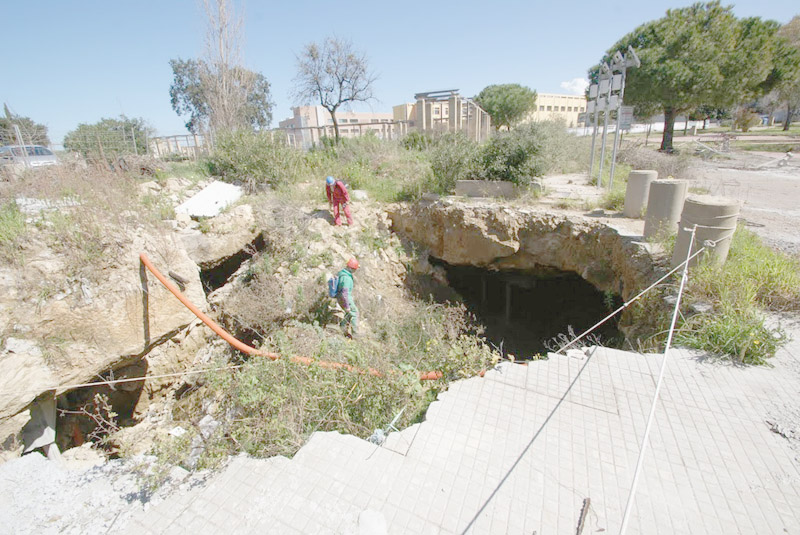
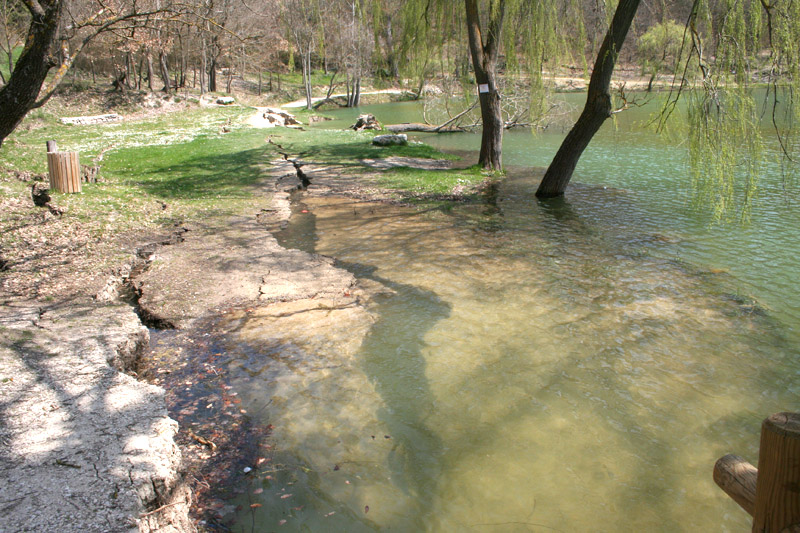
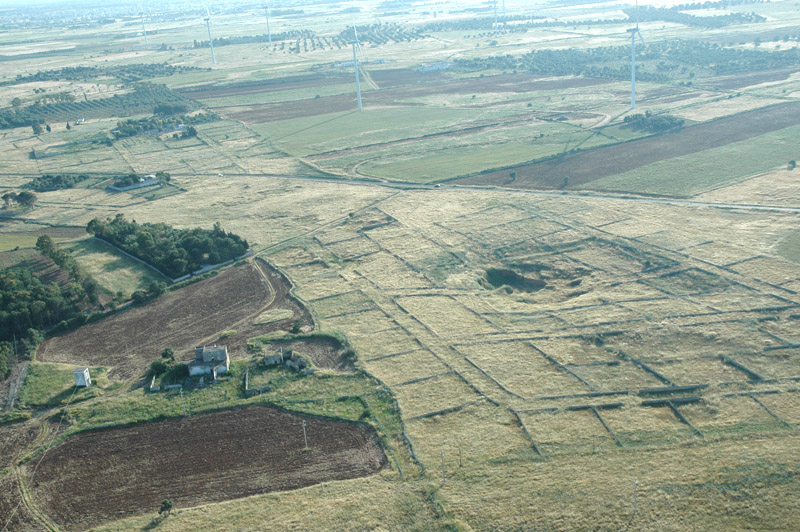
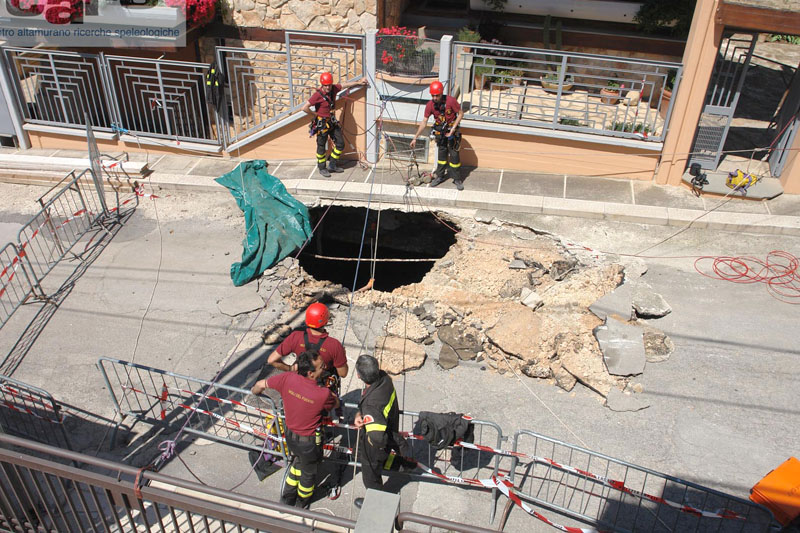
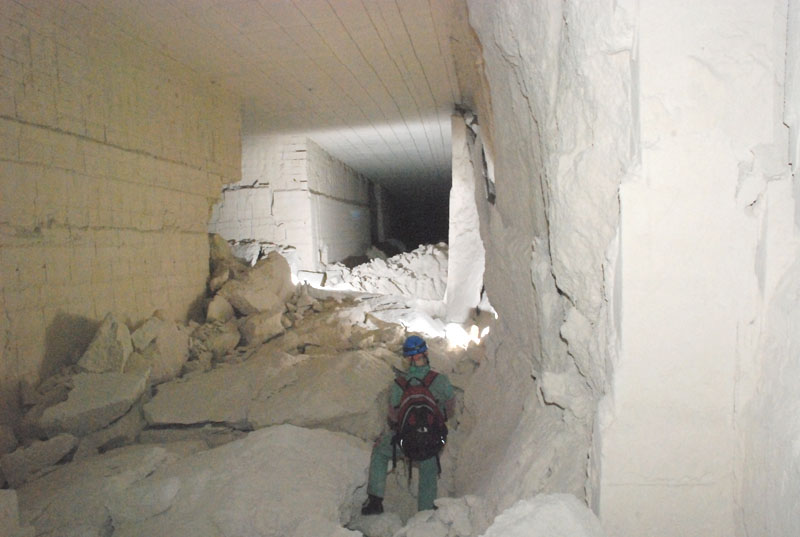
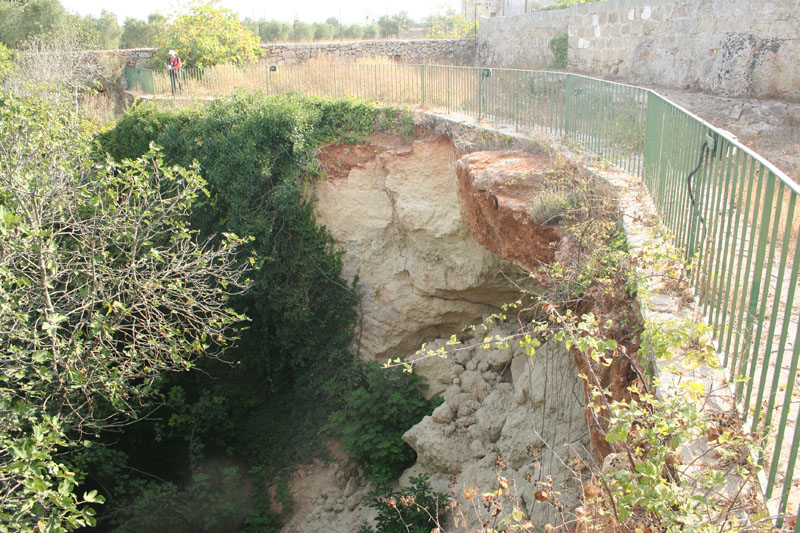
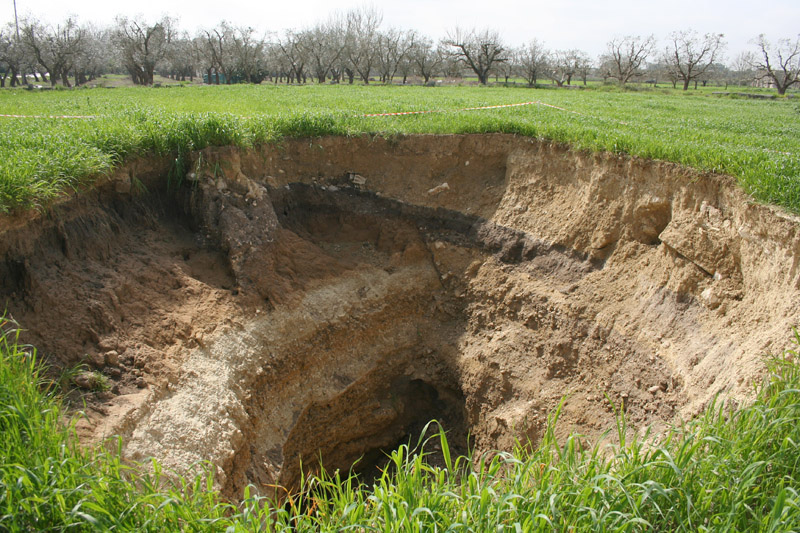
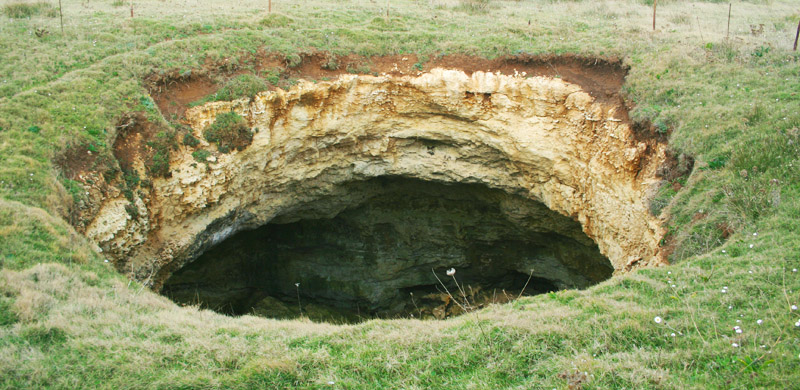
Sinkholes occurrence is related to the presence of an underground cavity, from which instability starts and propagate upwards until causing the collapse of the surface soil layer. The cavity may have a natural or artificial origin. Natural caves are due to presence of soluble rocks, and are typical of karst settings, where most of the sinkholes occur for dissolution processes. Man has excavated Anthropogenic cavities, for different purposes and in different epochs. They are widespread on the Italian territory, due to its complex history. Many of these cavities have been abandoned, and the loss of memory about their presence resulted in their inclusion in newly developed parts of towns, thus creating a serious risk to the built-up environment above.
By consulting different types of information source, along with direct investigations and field surveys, sinkholes events (both of natural and anthropogenic origin) occurred in Italy have been collected. Temporal and spatial information are known for every sinkholes. This is a very important aspect that strongly makes the CNR-IRPI catalogue different from other sinkhole databases in Italy. Knowledge of the time of occurrence, together with the site of occurrence, is a fundamental element to allow an estimate of the likely return time of the events.
Accuracy of the date of occurrence is typically high (hour, day, month, year) for recent phenomena, and low for the oldest ones, for which in some cases only the year is known. A further difference with other existing sinkhole databases is that a sinkhole is included in our catalogue only when its link with an underground cave, either natural or anthropogenic, has been verified.
Additional information, when available, are also included in the catalogue; among these: triggering factors, actual situation of cavity, lithology, dimensions, and damages caused to man and infrastructures. Each sinkhole is located using Google Earth©, and for each “Alert Zone”, in which the Italian territory is subdivided for the purpose of the National Department of Civil Protection; at this latter regard, on the website http://talos.irpi.cnr.it/zareport/ the main information about sinkholes occurrence are available.
Sinkholes in Italy are not as frequent as landslides, floods, earthquakes and volcanic eruptions, but they very often have caused considerable economic loss, damage to infrastructure and sometimes victims, injured and homeless. Further, although many Italian cities are built above natural and artificial cavities, the sinkholes are rarely taken into account in the geohazard assessment.
Donwload attachmentFurther details
Parise M, Vennari C. 2013. A chronological catalogue of sinkholes in Italy: the first step toward a real evaluation of the sinkhole hazard. In: Land L., Doctor D.H. & Stephenson B. (Eds.), Proceedings of the 13th Multidisciplinary Conference on Sinkholes and the Engineering and Environmental Impacts of Karst, Carlsbad (New Mexico, USA),6-10 May 2013, National Cave and Karst Research Institute, 383-392.
Parise M, Vennari C, Guzzetti F, Marchesini I, Salvati P. 2013. Preliminary outcomes from a catalogue of natural and anthropogenic sinkholes in Italy, and analysis of the related damage. Rendiconti Online della Società Geologica Italiana, 24, 225-227.
Witze A. 2013. Florida forecasts sinkhole burden. Nature, vol. 504, 12 december 2013, p. 196-197. DOI:10.1038/504196a