Flash floods occur in small to medium size river basins, and are characterised by fast temporal evolution. Because of their intensity and short warning times, flash floods often cause not only major economic damage, but also loss of lives.
An integrated approach to documentation and analysis of flash floods has to include the following issues:
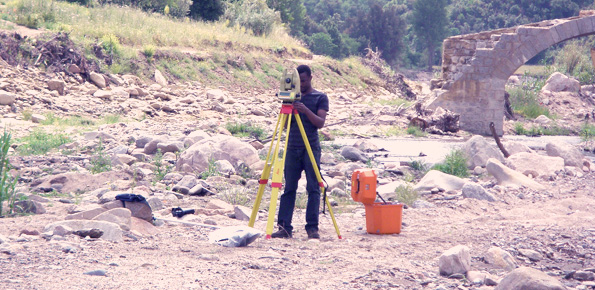
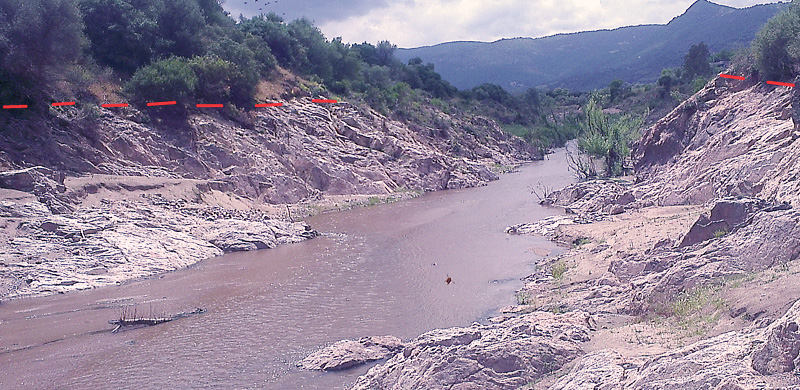
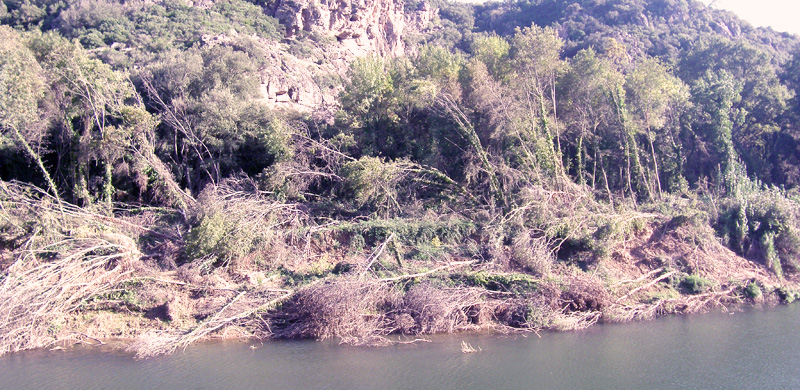
post-flood observations aimed at estimating peak discharge and reconstructing temporal evolution of the flood in ungauged catchments;
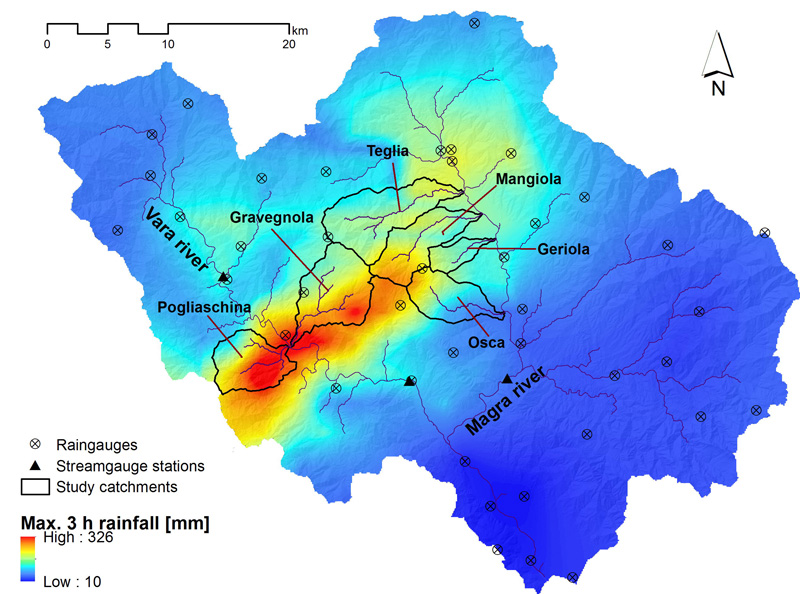
assessment of event rainfall from weather radar observations;
consistency check, based on rainfall-runoff modelling, of radar-derived rainfall and discharge reconstructed flow flood marks.
We are involved in the development of the observation methodology outlined above, that we have applied to a number of flash floods that have occurred in Italy and in other European countries from 2007.
Rinaldi M, Amponsah W, Benvenuti M, Borga M, Comiti F, Lucía A, Marchi L, Nardi L, Righini M, Surian N. 2016. An integrated approach for investigating geomorphic response to extreme events: methodological framework and application to the October 2011 flood in the Magra River catchment, Italy. Earth Surface processes and Landforms.DOI:10.1002/esp.3902
Marchi L, Cavalli M, Amponsah W, Borga M, Crema S. 2015. Upper limits of flash flood stream power in Europe. Geomorphology.DOI:10.1016/j.geomorph.2015.11.005
Marchi L, Borga M, Preciso E, Sangati M, Gaume E, Bain V, Delrieu G, Bonnifait L, Pogačnik N. 2009. Comprehensive post-event survey of a flash flood in Western Slovenia: observation strategy and lessons learned. Hydrological Processes 23(26), 3761-3770. DOI: 10.1002/hyp.7542
Home » Focus » Documentation and analysis of flash floods